Manchester: The London Blueprint, All Over Again
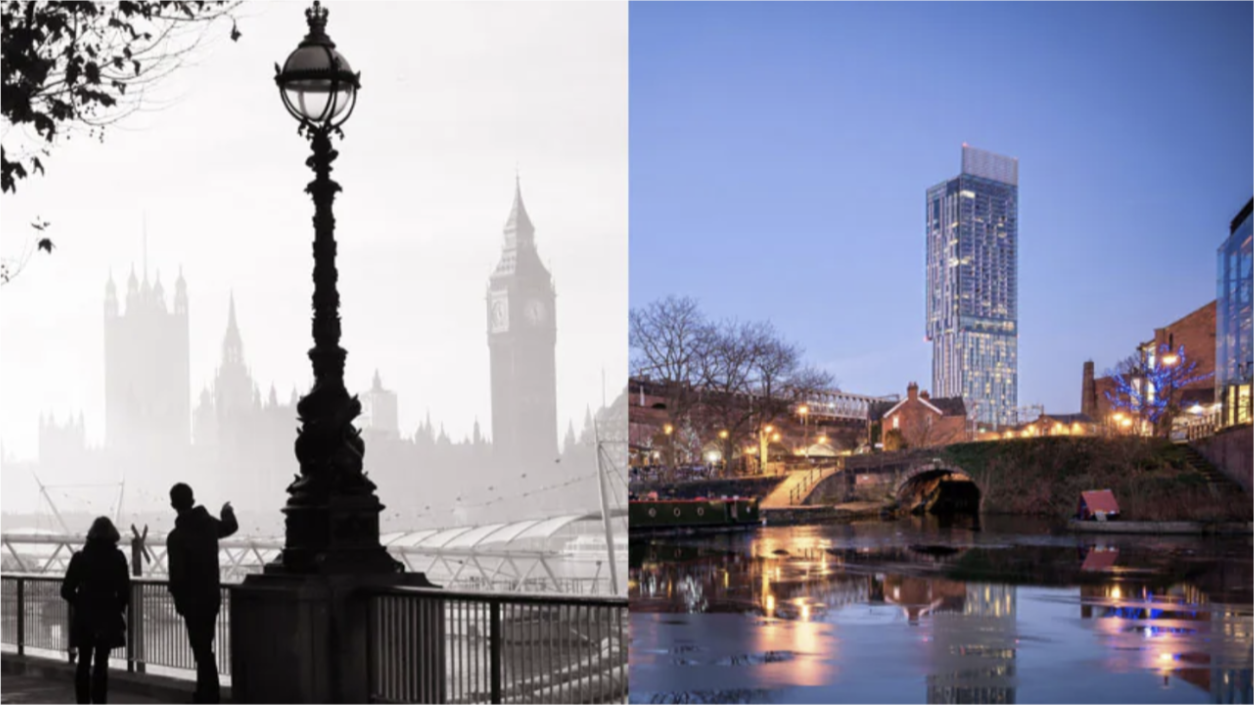
For anyone who sat on the sidelines when London transformed in the 1990s through 2010s, only to watch prices explode and commuter belts soar, the lesson is simple, you don’t want to miss it again. Manchester is replaying London’s growth script almost word for word only the entry point is a fraction of the cost. The opportunity is glaringly obvious.
From Canary Wharf to Victoria North: Same Regeneration Story
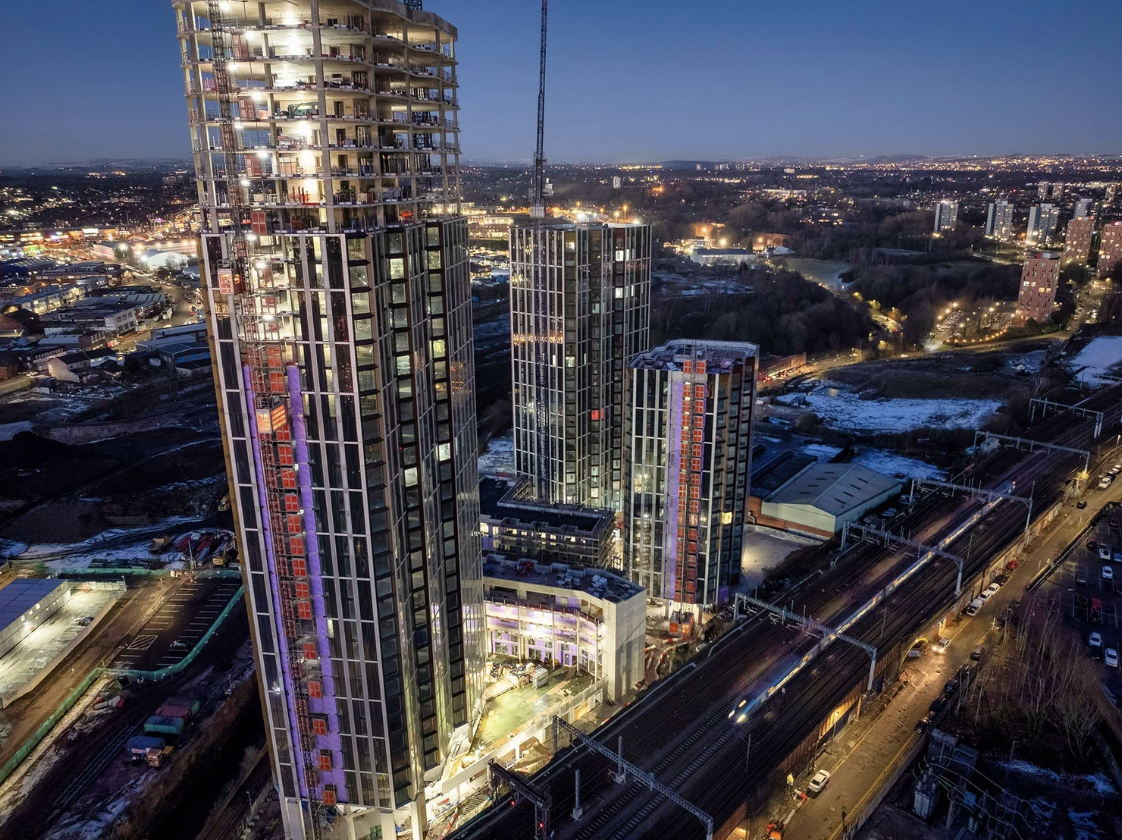
London’s great growth story was regeneration. First the Docklands and Canary Wharf turned derelict shipping yards into a global finance hub. Then King’s Cross, Stratford and the Olympic Park drew billions in private capital, new homes, jobs, and culture.Manchester is mid-cycle on the same path. Victoria North is a once-in-a-century city expansion bringing 15,000 homes and seven new neighborhoods. The Great Jackson Street cluster is redefining the skyline with Deansgate Square and soon-to-be taller towers. St Michael’s is delivering a net-zero, mixed-use district in the city core. Add Spinningfields and NOMA, Manchester’s equivalent of Canary Wharf and King’s Cross and the regeneration parallels are unmistakable.
Big Business, Deep Roots
London’s rise was underpinned by global business. The same is happening in Manchester: around 80% of the FTSE 100 now maintain a presence here. Combine that with a booming media sector, tech start-ups, professional services, and two world-class universities feeding talent straight into the workforce it’s a magnet for jobs, graduates, and demand for quality living space.

City Living and Vertical Lifestyle
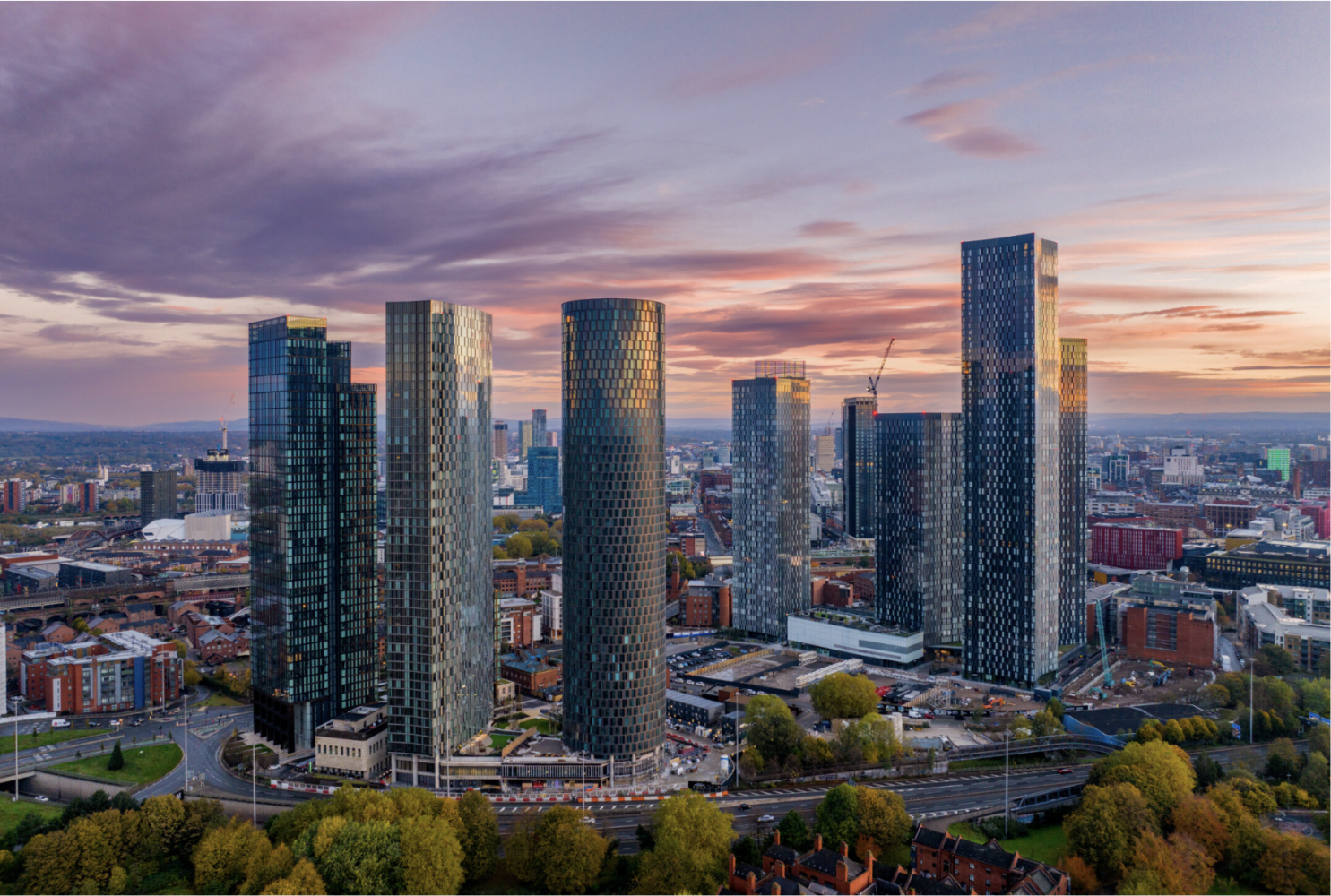
As London densified, high-spec towers and amenity-rich apartments became the norm in Canary Wharf, Nine Elms, and the City fringe. Manchester is right there now. Renaker’s Deansgate Square and the wider Great Jackson Street masterplan bring gyms, pools, lounges, and skyline views at price points that look impossibly cheap compared to Knightsbridge or Mayfair.
Recent new build sales show 919 sq ft, two-bed apartments in Deansgate Square at £450,000. A similar size in Mayfair or Knightsbridge would command £1.5–£2m. The price per square foot gap is multiples, not margins yet the product quality is next level.
Population, Jobs and Productivity
Central Manchester’s population has more than doubled since the early 2000s as people return to city living, echoing London’s inner borough surge. Greater Manchester has been named the productivity growth capital of the UK, narrowing the gap with the national average and creating the wage growth that underpins housing demand.
The Commuter Belt Effect
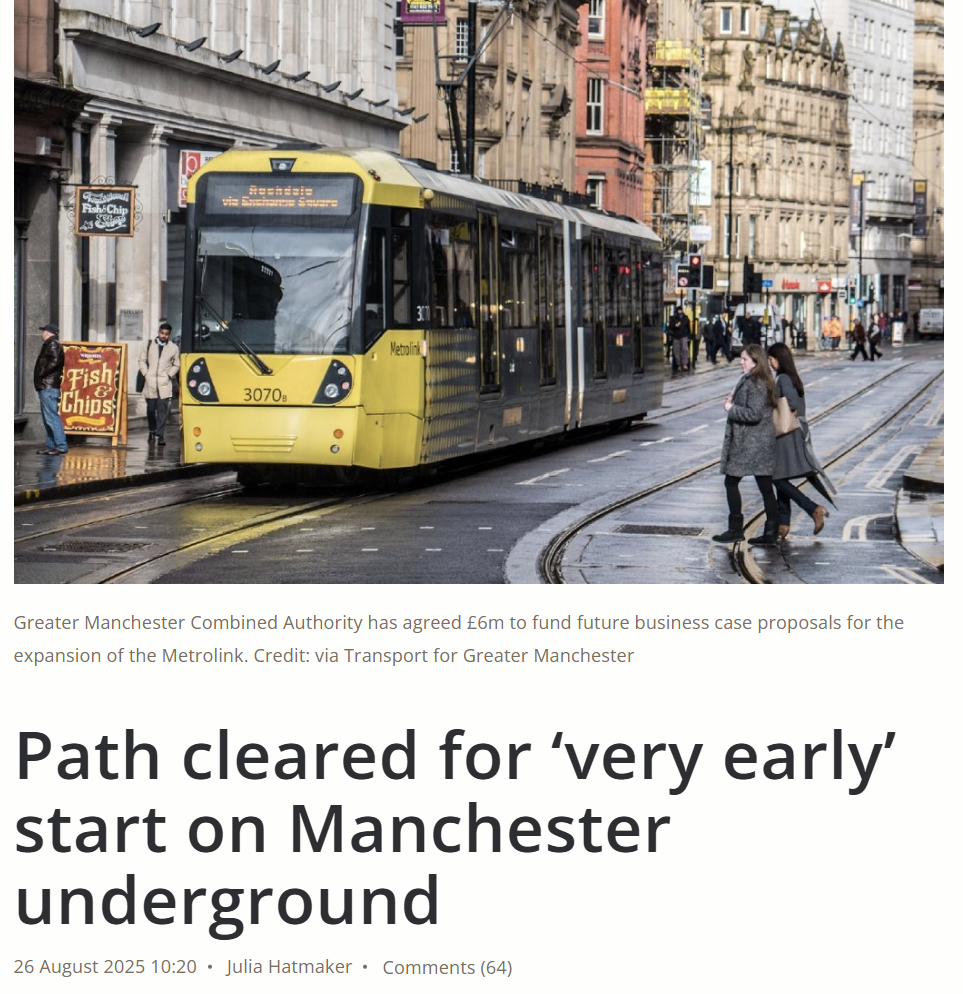
When London’s prime became too expensive, the commuter belts such as Surrey, Kent, Hertfordshire exploded. Manchester is showing the same trajectory. City centre prices are rising, and savvy investors whilst snapping up city center property are also eyeing up property in Stockport, Bolton, Rochdale and other well-connected Greater Manchester towns. HS2 may not be making its way to Manchester, but Metrolink expansion, a growing rail hub, and even talk of underground connections will supercharge accessibility.
Yields, Rents and the Investor Case
ONS data shows UK rents at record highs, with Manchester among the strongest performers. High demand, limited supply, and a growing population of young professionals and international students create a solid rental backbone. Add entry prices well below London’s and you have the holy grail with yield today, growth tomorrow.
Don’t Miss the Second Chance
The story is not hiding, its in plain sight. Regeneration on a London scale. Corporate anchors on a London scale. Price points far below London scale. The commuter belt effect already starting.If London taught us anything, it’s that these trends compound for years. Those who bought early in Docklands, Stratford or Shoreditch multiplied their wealth many times over. Those who waited still say, “I wish I had got in 20 years ago.”Manchester is the replay. The opportunity is obvious. The only question is whether you take it or miss it again.
JUST IN CASE YOU NEEDED MORE CONVINCING